Updated criteria for diagnosing MS
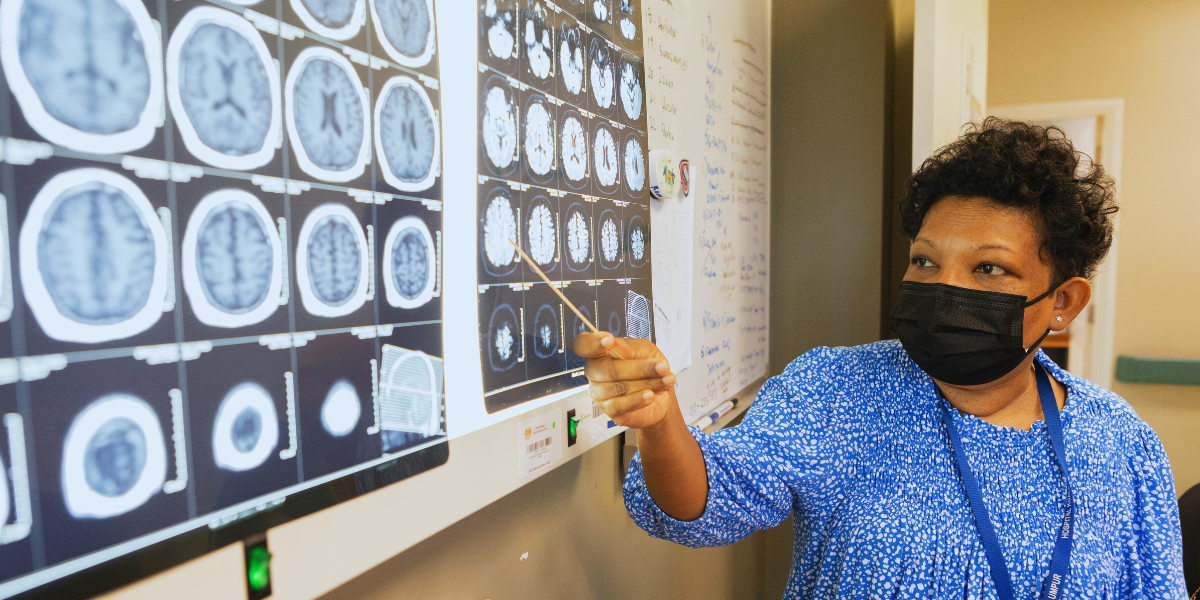
Diagnostic criteria are guidelines used by clinicians to diagnose MS. They include a specific combination of signs, symptoms and test results. The diagnostic criteria for MS have changed over time as the understanding of the disease course has improved.
The current diagnostic criteria for MS are known as the ‘McDonald criteria’ after Professor Ian McDonald who led their development in 2001. These internationally recognised criteria have evolved over time to reflect advances in research and clinical practice.
The McDonald criteria have now been updated to build on the existing criteria by introducing new tools, markers, and pathways to speed up MS diagnosis and improve accuracy. The revised McDonald diagnostic criteria were recently updated and published in The Lancet journal. The 2024 additions give healthcare professionals more ways to diagnose MS quickly and accurately.
What’s new in 2024?
- Faster diagnosis: The requirement for ‘dissemination over time’ (meaning there is evidence of a relapse or specific symptoms occurring at more than one time point) has been removed. This will enable some people to receive an MS diagnosis without waiting months or years for a second relapse or attack of symptoms.
- Expanded diagnostic evidence: Before there had to be evidence of nerve damage in two out of four areas of the brain and spinal cord to demonstrate ‘dissemination in space’. Now, it’s possible to include damage to a fifth area – the optic nerve. This opens opportunities for collaboration with ophthalmologists and the use of optical coherence tomography (OCT) or visual evoked potential tests.
- Radiologically Isolated Syndrome (RIS): People with evidence on an MRI scan of nerve damage in the central nervous system (CNS) even without the usual clinical symptoms of MS may now meet the criteria for MS if other factors are met. Previously, these individuals would have had to wait until symptoms of MS developed to be diagnosed; the new criteria provide the opportunity for earlier diagnosis, treatment and monitoring.
- Specialised guidance: The criteria contain new considerations for diagnosing children and people over 50, recognising that MS can be harder to distinguish from other conditions in these age groups.
‘The 2024 McDonald criteria are an important step forward for the global MS movement. They bring us closer to timely and accurate diagnosis, which opens the door to effective treatment and better quality of life. To make this progress real, the criteria must be adopted in every country and supported with the right training, equipment and resources. This is especially vital in low- and middle-income countries, where access to diagnostic tools is often limited. For people with MS everywhere, the revisions offer a clearer and faster path to diagnosis, giving them the chance to begin treatment sooner and move forward with greater certainty.’
Dr Lydia Makaroff, Chief Executive, MS International Federation
You can learn more about how the McDonald criteria were updated and what it means for people affected by MS and MS organisations on the MSIF website.
Glossary
MRI: Magnetic Resonance Imaging: A medical imaging technique that uses strong magnetic fields and radio waves to create highly detailed pictures of the inside of the body, including the brain and spinal cord.
DIT: Dissemination in Time: Evidence that multiple sclerosis (MS) lesions have appeared at different points over time, indicating the disease is progressing and affecting multiple areas of the central nervous system, as confirmed by MRI scans or clinical relapses.
DIS: Dissemination in Space: A criterion that indicates that inflammation has occurred in multiple areas of the central nervous system
RIS: Radiologically Isolated Syndrome: A condition where a person has brain or spinal cord lesions that look like multiple sclerosis (that might be picked up on an MRI scan taking place for a different reason, such as migraine) but has no MS symptoms.
OCT: Optical Coherence Tomography: A non-invasive imaging technique that creates 3D images of the eye to help diagnose and treat eye conditions.
CNS: Central Nervous System: The brain and spinal cord.
Related news
Kostas from Greece was diagnosied with MS as a university student in 1992. At a time when there were no…

Luz María was diagnosed with MS 18 years ago when MS was still considered a rare disease in Guatemala. Doctors…

The poster maker has been a key feature of World MS Day campaigns, giving supporters a creative way to show…